

In the standard competitive landscape, most brands are hunters. They scan the horizon for “Active Demand”—customers who are already aware of their problem, have a budget, and are actively searching for a solution. Because this segment is visible and vocal, every competitor is aiming at the same targets. This leads to a high-friction environment where the cost of acquisition (CAC) is driven up by sheer noise. You are fighting for a slice of an existing pie, and that slice is getting thinner by the day.
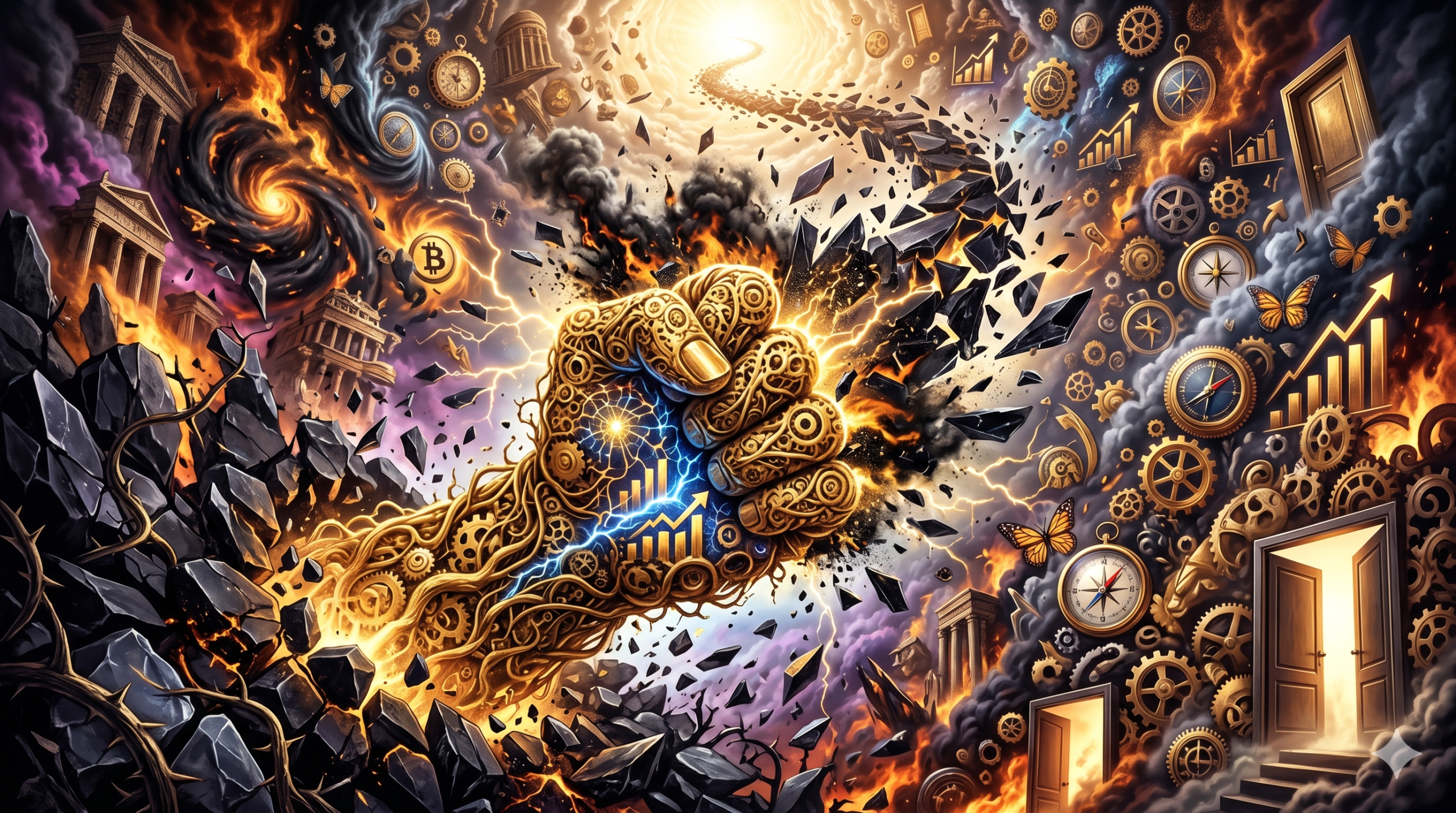
The Brand Keys are strategic tools designed to unlock Latent Market Potential. This is the “Invisible Market”—the massive population of potential users who have a deep-seated frustration but lack the vocabulary to describe it, or who have simply resigned themselves to the status quo. They aren’t “looking” for you because they don’t believe a solution exists. To unlock this potential is to move from “capturing demand” to “creating” it. You aren’t just selling a product; you are handing the customer the key to a door they didn’t know they could open.
The Iceberg of Market Demand
To understand latent potential, you must visualize the market as an iceberg. The tip—visible above the waterline—is the Active Market. These are the people comparing specs and prices. The massive bulk beneath the surface is the Latent Market.
Unlocking the 90% requires more than just “better marketing.” It requires a fundamental shift in how you signal your value. You have to speak to the pain points that the customer has internalized as “just the way things are.”
Key 1: The Friction Diagnostic (Naming the Pain)
The first key is the ability to name a problem that the market has previously ignored. Most customers suffer from “Status Quo Bias”—they have adapted to inefficiency so thoroughly that they no longer see it as a problem.
- The Symptom vs. The Cause: Most brands market to the symptom (e.g., “Our app saves you time”). The Sovereign Brand markets to the cause (e.g., “You are losing hours to ‘Systemic Fragmentation’—the hidden friction of switching between five different tools”).
- The “Wait, That’s Not Normal?” Moment: When you give a name to a hidden pain, you trigger an immediate “Aha!” moment. By defining the friction, you claim the authority to eliminate it. You have unlocked their attention by validating their frustration.
Key 2: The Aspirational Anchor (Linking to Identity)
Latent demand is often tied to a suppressed aspiration. There is something the customer wants to be—more sovereign, more creative, more impactful—but the current market tools don’t support that identity.
The second key is Aspirational Alignment. You don’t just sell a tool for “doing work”; you sell a tool for “becoming the architect of your own career.”
- The Identity Bridge: Your brand must act as the bridge between who the customer is now and who they want to become.
- The Signal of Belonging: People don’t just buy what you do; they buy why you do it and what it says about them for using it. By anchoring your brand to a high-level identity, you pull people out of the “Latent” pool and into your “Sovereign Tribe.”
Key 3: The Permission Structure (Making it Safe to Switch)
The final key is the Permission Structure. The biggest barrier to latent potential is “Transition Anxiety.” People are afraid that switching to a new logic will be too hard, too expensive, or too risky.
To unlock the market, you must provide a safe path:
- Lower the Barrier: Offer a “Low-Stakes First Step” that provides immediate, tangible value without requiring a total overhaul of their current systems.
- Provide the Map: Clearly show the step-by-step evolution from their current “Broken State” to the “Optimized Future.”
- Social Proof of the Outliers: Show examples of others who were exactly where they are—resigned to the status quo—and who successfully made the transition.
Conclusion: The Master of the House
The Brand Keys allow you to stop begging for a seat at the table and start building the house. When you unlock latent potential, you aren’t competing with anyone. You are the only person in the room who truly understands the customer’s hidden reality.
You move from “selling” to “liberating.” You are showing the customer that the walls they thought were solid are actually doors, and you have the keys. The market isn’t crowded; it’s just asleep. Wake it up.
Name the pain. Anchor the identity. Build the bridge.














Leave a Reply